How an Internal Door Lockout Differs from a Front-Door Lockout
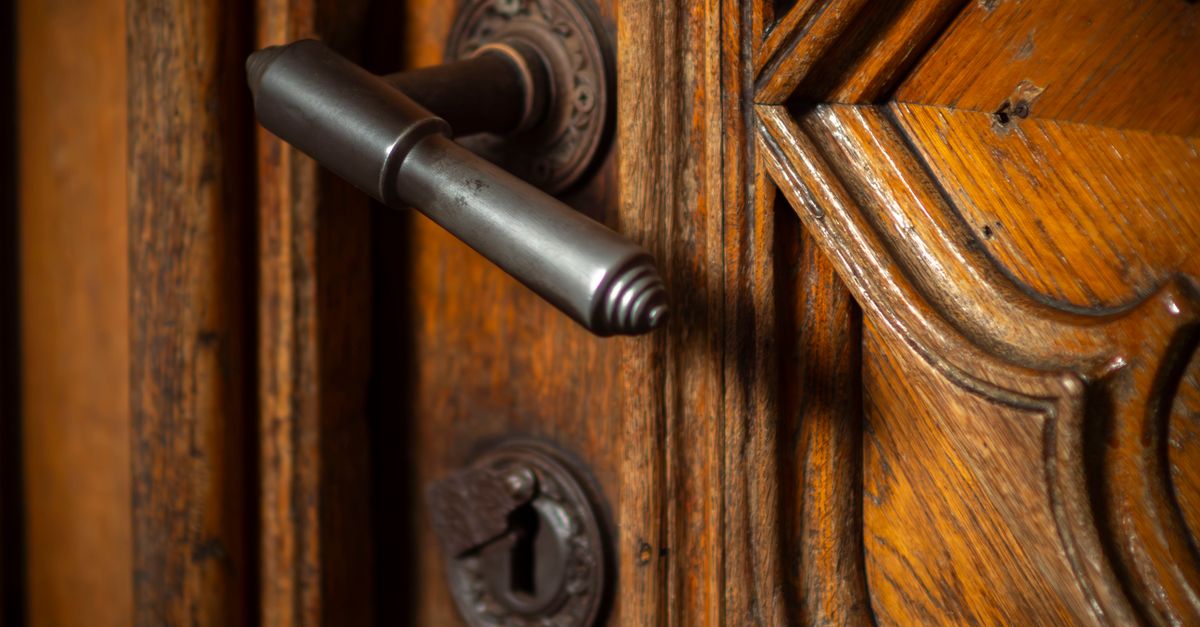
Internal doors in British homes were never designed with high security in mind. Their primary purpose is privacy and room separation, which means the locking mechanisms are almost always simpler and lighter than the Yale nightlatches and five-lever mortice deadlocks found on front doors. A bathroom privacy lock, for example, typically uses a small sprung bolt that can be released from the outside with a slot-headed coin or a narrow implement — no specialist skill required. A keyed sashlock on a Victorian bedroom door, on the other hand, uses an entirely different internal mechanism that calls for experience and the right tools. Knowing which type of lock is fitted, and therefore which opening method is appropriate, is what separates a trained locksmith from a well-meaning attempt that ends in a split door panel or a cracked frame.
The other key difference is proportionality. Internal doors are frequently hollow-core or solid timber with a thin veneer — far less robust than a composite or hardwood front door. Force that might be manageable on an external door can splinter an internal one beyond reasonable repair. Our technicians assess the specific lock and door construction before touching anything, and they always try the least invasive method first. If you are in Forest Gate or anywhere across east London and need a door opened right now, call 020 3757 6136 — we answer every call around the clock and can usually be with you in about 30 minutes.