Why a Lock Change After a Break-In Cannot Wait
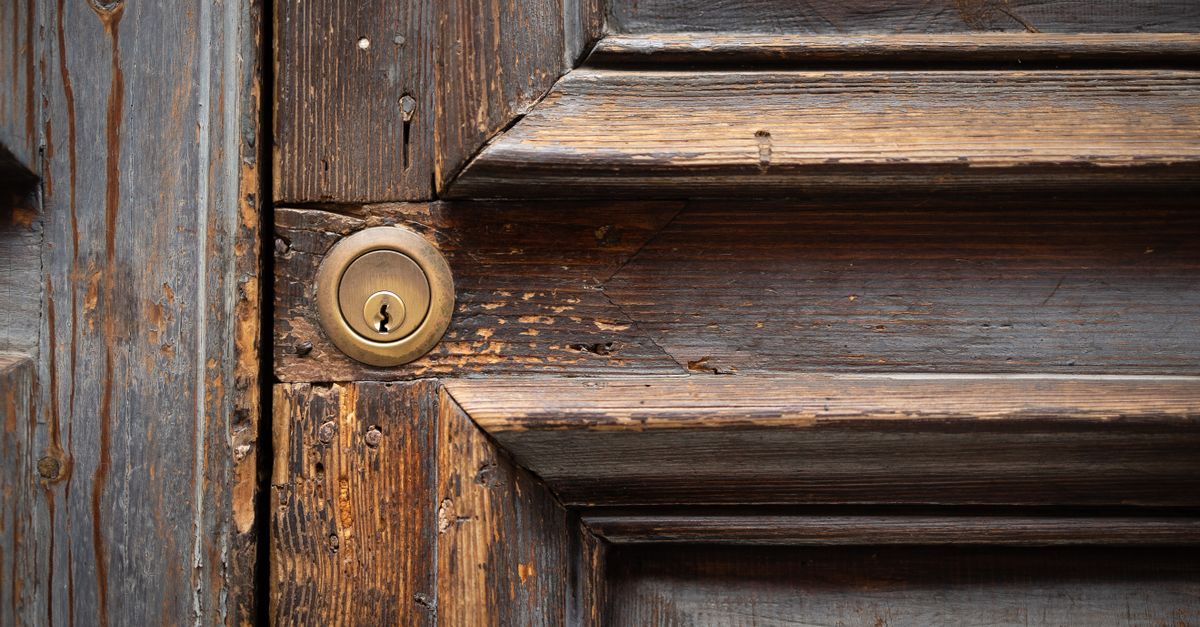
When a lock has been forced, snapped, picked, or simply left damaged by an attempted entry, it offers little more than an illusion of security. Insurance policies — particularly those aligned with standard home contents requirements — often specify that any lock that has been compromised must be replaced, not repaired, before a claim can proceed. Beyond the insurance angle, a damaged euro cylinder or a sprung mortice deadlock is frequently easier for an opportunist to defeat a second time, because the internal mechanism is already weakened or misaligned. Acting on the same day closes that vulnerability entirely.
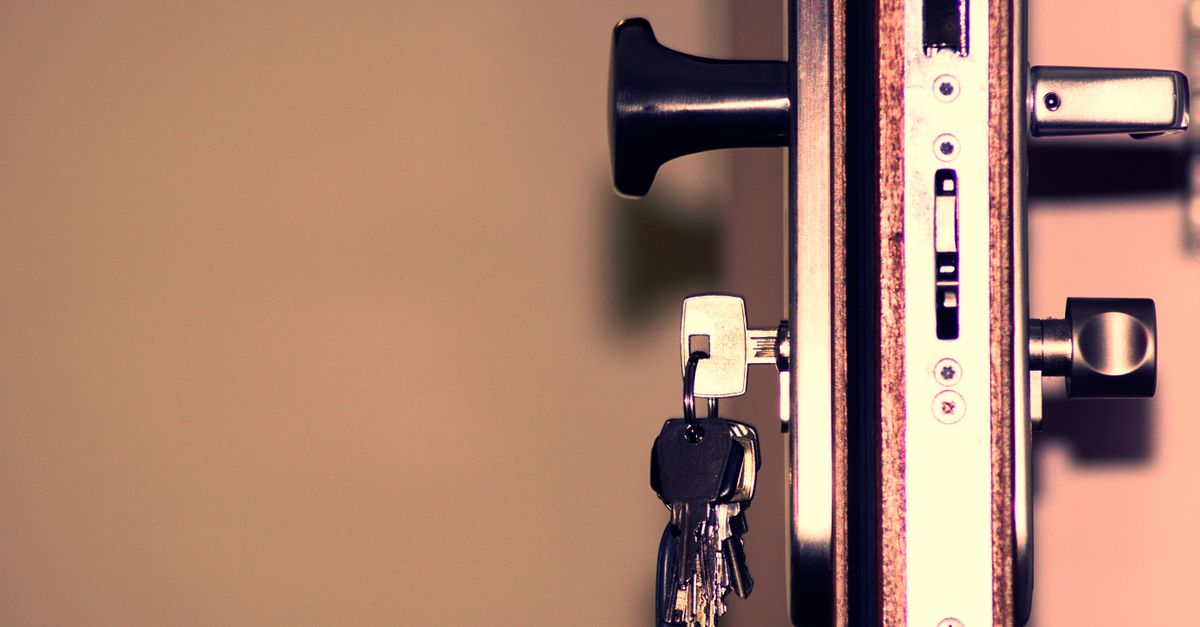
There is also the question of keys. If your property was entered, there is a real possibility that spare keys were taken from inside — from a hook near the door, a kitchen drawer, or a bag that was rifled through. Even if no keys were visibly taken, you cannot be certain. A door lock change replaces the entire cylinder or lock body, rendering any key that existed before the break-in completely useless. That applies to the front door, the back door, and any internal door that was forced between parts of the property.