Why Keys Snap — and Why the Lock Type Matters
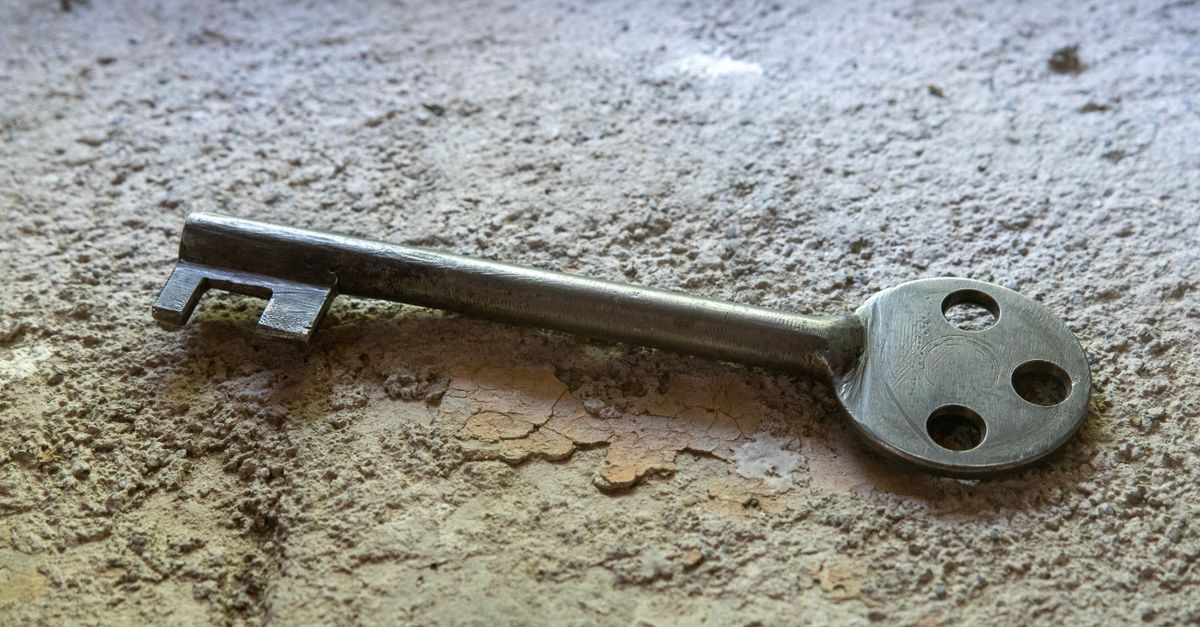
Keys break for several reasons: metal fatigue from years of daily use, a worn or stiff lock that puts extra torque on the bow of the key, trying to open a lock with a slight misalignment, or simply a key that was poorly cut in the first place. Forest Gate has a mix of Victorian terraced houses, converted flats in period buildings, and newer build properties, and the locks on those doors vary considerably. An original Edwardian front door on Woodford Road might still carry a cast-iron mortice lock with a traditional lever mechanism, while a recently refurbished flat near Forest Gate station is far more likely to have a modern euro cylinder set into a uPVC or composite door. Each lock type responds differently when a key breaks inside it, which is why the first thing our technician will do on arrival is assess exactly what they are dealing with before touching anything.
A nightlatch — commonly called a Yale lock — has a relatively narrow keyway and a spring-loaded latch bolt. When a key breaks in one of these, the broken piece can sometimes be carefully manipulated out using hook picks and extractor tools because the keyway is narrow but fairly accessible. A 5-lever mortice deadlock (the kind most home insurers require on a final exit door, often to BS3621 standard) presents a different challenge: the broken fragment sits deep within the lever pack, and extraction requires both patience and the correct slim-profile tools. Euro cylinders found in multipoint locking systems are arguably the most common scenario we attend — the key shears across the cylinder plug, and because euro cylinders are under pressure from the multipoint mechanism, the fragment can be firmly wedged. Each situation calls for a different approach, which is why experience genuinely matters here.