
What Happens When You Are Locked Out of Your Flat: Your Own Door vs the Communal Entrance
A flat lockout almost always involves two separate barriers: the communal front door to the block of flats, and your own front door. The communal entrance is shared — it belongs to the freeholder, the managing agent, or the local authority — and nobody, including a locksmith, should force it open without proper authorisation. In many blocks in Forest Gate and the wider E7 postcode district, there is an entryphone or key-fob system. If a neighbour answers the entryphone and lets you into the communal area, or if the managing agent can remotely release the door, you are already past the first obstacle. If you are locked out of the house or flat because the communal door itself has failed — a broken lock, a seized mechanism, or a damaged euro cylinder — then the responsibility for repair sits with the building's owner or managing agent, not with the individual tenant.
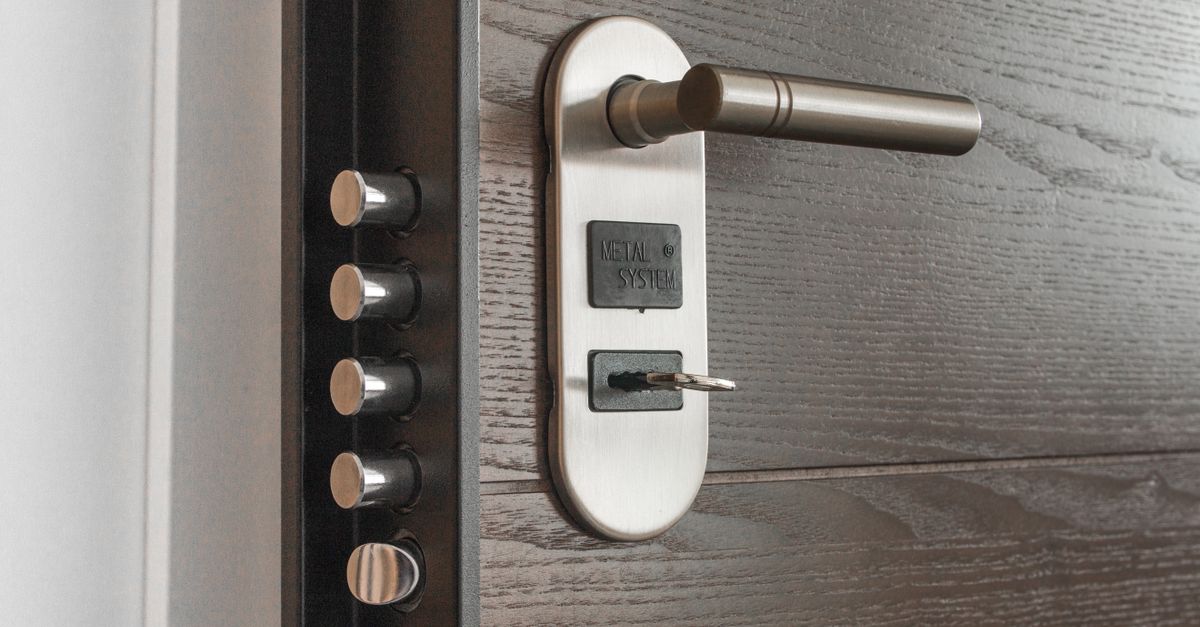
Your own flat door is a different matter. This is the door you have the right to access, and a qualified locksmith can open it on your behalf once they have verified your identity and your right to be there. Most flat front doors in Forest Gate are fitted with either a Yale-type nightlatch, a 5-lever mortice deadlock, or — increasingly in converted Victorian terraces and newer builds alike — a uPVC or composite door with a multipoint lock and a euro cylinder. Each of these requires a different opening technique. Where at all possible, our technicians work damage-free, using non-destructive entry methods that leave the door and the lock in usable condition. When a lock is too damaged to save — for instance, if the euro cylinder has been snapped, a known vulnerability in older uPVC doors — we will carry out a door lock replacement London tenants and homeowners can rely on, fitting an anti-snap, TS007 3-star rated cylinder before we leave.